Conferences
Sever Voinescu: Figaro`s Myth. How Can Politics Be Likable?
09 February 2014
Sunday, 9th of February, 2014, at 11:00 a.m., in the Small Hall of the NTB will take place the conference with the theme Figaro's Myth. How can politics be likable? held by Sever Voinescu.
Price ticket: 20 lei
About the conference
Figaro is one of the most famous and most charming characters from the world's history of theatre and opera. Alongside with Count Almaviva, Figaro is the hero of a trilogy written by Beaumarchais in the last quarter of the 18th century. Many show producers (directors, actors, etc.) and many critics saw, especially in the first two plays of the trilogy, The Barber of Seville and The Marriage of Figaro, an attractive personification of the political unrest of the French Revolution. Also, many literary historians saw direct connections between Figaro and the fabulous biography, full of the unbelievable political and commercial adventures and affairs of the author Pierre-Augustin Caron de Beaumarchais. The fact that Figaro is suited for many readings isn't just the main argument of his everlasting, but also the proof of his relevance throughout centuries. Figaro still has a lot to say to today's Romania. But above all, Figaro can make our daily life more bearable, if not even pleasant. Because there is a lot of crowd ignorance, irritation and exasperation in the Romanian atmosphere in the past few years, we think it's better to look closer at Figaro and discover his therapeutic qualities in times like these.
Examining Beaumarchais' plays, the two well-known operas by Mozart and Rossini, and also Beaumarchias' amazing biography, our conference will try to identify Figaro's 'art' and apply it to today's Romania. How could he have been efficient in antagonistic situations, in the name of the values he acted, and most of all how could he have been so sympathetic among so many antipathetic? Our argument is that Figaro made out of politics a likable and efficient occupation without making fun of it, without minimizing it, and especially without compromising it as an art of the possible. Can his 'recipe' be applied even today?
About Sever Voinescu
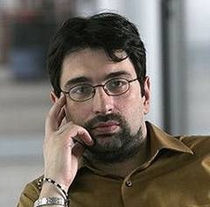
Sever Voinescu was born in 1969, in Ploiești. In 1992 he has graduated from the Faculty of Law at the University of Bucharest. In the same year he was called as a trainee lawyer at the bar from his hometown, and in 1994 he was called a permanent lawyer at the bar from Bucharest. Between 1994 and 1996 he was an Assistant Professor at the Academy of Economic Studies Law Faculty in Bucharest. Between 1998 and 2000 he was the General Secretary in the Ministry of Foreign Affairs. From March 2000 until December 2003 he was the General Consul of Romania in Chicago. From 2004 until 2008 he was the Coordinator of the External Politics Programme at the Institute for Public Politics. Between 2008 and 2012 he was a Member of the Romanian Parliament. From 2013 he came back to the Bar, within the law firm Trăilă & Voinescu. Beginning with October 2013 he writes every day an article dedicated exclusively to culture in the newspaper Evenimentul Zilei, continuing also his weekly collaboration at the newspaper Dilema Veche, where his column will turn 19 this year.
He published over 3000 articles, comments and essays in cultural or daily publications such as Dilema/Dilema Veche, 22, Observator cultural, Cotidianul, Evenimentul Zilei, and also in specialized magazines from the domains of law, philosophy and political science. He held conferences on different subjects specific to international relations in public institutes or in the universities from United States, Great Britain, Belgium and France. He contributed at the content of many cultural themed books. His last book is dedicated to opera, entitled Canta che ti passa – conversations with Virginia Zeani, released in 2011.
Translated by: Dumitrescu Ioana-Alexandra
MTTLC, The University of Bucharest
Price ticket: 20 lei
About the conference
Figaro is one of the most famous and most charming characters from the world's history of theatre and opera. Alongside with Count Almaviva, Figaro is the hero of a trilogy written by Beaumarchais in the last quarter of the 18th century. Many show producers (directors, actors, etc.) and many critics saw, especially in the first two plays of the trilogy, The Barber of Seville and The Marriage of Figaro, an attractive personification of the political unrest of the French Revolution. Also, many literary historians saw direct connections between Figaro and the fabulous biography, full of the unbelievable political and commercial adventures and affairs of the author Pierre-Augustin Caron de Beaumarchais. The fact that Figaro is suited for many readings isn't just the main argument of his everlasting, but also the proof of his relevance throughout centuries. Figaro still has a lot to say to today's Romania. But above all, Figaro can make our daily life more bearable, if not even pleasant. Because there is a lot of crowd ignorance, irritation and exasperation in the Romanian atmosphere in the past few years, we think it's better to look closer at Figaro and discover his therapeutic qualities in times like these.
Examining Beaumarchais' plays, the two well-known operas by Mozart and Rossini, and also Beaumarchias' amazing biography, our conference will try to identify Figaro's 'art' and apply it to today's Romania. How could he have been efficient in antagonistic situations, in the name of the values he acted, and most of all how could he have been so sympathetic among so many antipathetic? Our argument is that Figaro made out of politics a likable and efficient occupation without making fun of it, without minimizing it, and especially without compromising it as an art of the possible. Can his 'recipe' be applied even today?
About Sever Voinescu
Sever Voinescu was born in 1969, in Ploiești. In 1992 he has graduated from the Faculty of Law at the University of Bucharest. In the same year he was called as a trainee lawyer at the bar from his hometown, and in 1994 he was called a permanent lawyer at the bar from Bucharest. Between 1994 and 1996 he was an Assistant Professor at the Academy of Economic Studies Law Faculty in Bucharest. Between 1998 and 2000 he was the General Secretary in the Ministry of Foreign Affairs. From March 2000 until December 2003 he was the General Consul of Romania in Chicago. From 2004 until 2008 he was the Coordinator of the External Politics Programme at the Institute for Public Politics. Between 2008 and 2012 he was a Member of the Romanian Parliament. From 2013 he came back to the Bar, within the law firm Trăilă & Voinescu. Beginning with October 2013 he writes every day an article dedicated exclusively to culture in the newspaper Evenimentul Zilei, continuing also his weekly collaboration at the newspaper Dilema Veche, where his column will turn 19 this year.
He published over 3000 articles, comments and essays in cultural or daily publications such as Dilema/Dilema Veche, 22, Observator cultural, Cotidianul, Evenimentul Zilei, and also in specialized magazines from the domains of law, philosophy and political science. He held conferences on different subjects specific to international relations in public institutes or in the universities from United States, Great Britain, Belgium and France. He contributed at the content of many cultural themed books. His last book is dedicated to opera, entitled Canta che ti passa – conversations with Virginia Zeani, released in 2011.
Translated by: Dumitrescu Ioana-Alexandra
MTTLC, The University of Bucharest